Monday, February 29, 2016

Light Is The Key

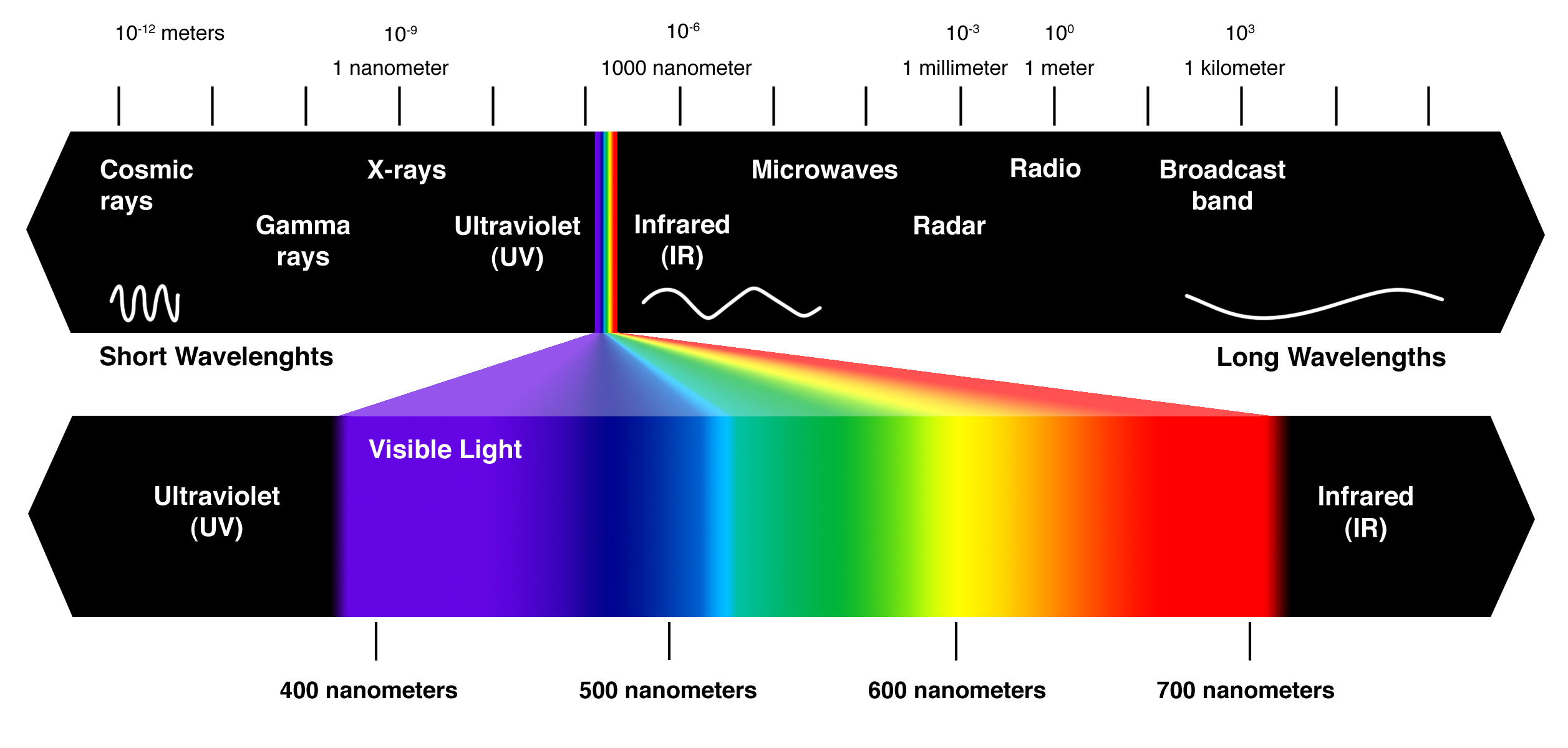
In Short this unit focuses on energy, the movement of light, and how radiation carries energy at different frequencies of energy make up the spectrum of light here:
Light is only visible when the distance between the arcs of the waves are between 400 and 750 nanometers, which is what we will mostly work with in lab, especially because we only have access to school level equipment, and because we are still new to this and need something easy. HERE, a bit of knowledge is dropped on you about radiation and this spectrum above you and yeah, that's about it. Join us next post on how to do math about light with your host M Hart.

Friday, February 12, 2016

We Did A Thing

Do we did the same thing we did for our last lab, but instead we had to figure out what the chemical was, and what its mass was. After some serious science (not actually that serious) we deduced that the chemical was in fact acetylsalicylic acid, which I did in fact have to look up in order to spell. We did this by standardizing a base to find its Molarity, then we used the same base to find the titration of the acid. We then used some spec-ops level mathematics(not really too advanced) and found the mass of the chemical, from then we did some more math and reasoning, plus a little help from friends, and found out that it was in fact acetylsalicylic acid, which was promptly confirmed in a class wide announcement. So yeah, I did a thing.

Monday, February 8, 2016

Playing with Acids(and Base)mk 1

So I got to play with Base and Acid in our last lab. It was fun. We took a base solution of NaOH and titrated it into a solution of Vinegar. We then calculated the molarity of the vinegar using Stoichiometry. Not to hard, and it is extremely(exactly) like the video I linked to last blog. We ended up being pretty darn close, so I guess I did good, peace.

Friday, February 5, 2016

Titration

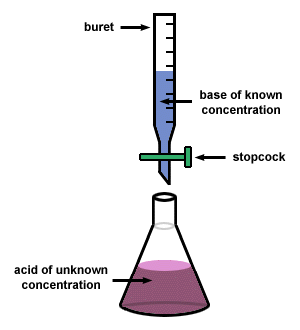
Titration is a simple process used to try and find information on acids or bases. We can use a buret to add a solution of acid or base with known Molarity to reach the equilibrium point by adding the Acid or Base into a solution of either an Acid or Base and a indicator to tell when equilibrium has been reached. You can then use that to find whatever data on the unknown you need. The set up when titrating looks like this:
And to see how to actually titrate look HERE

Tuesday, February 2, 2016

pH and pOH

Now imma do a taboo and use something I already used in this unit, but I gotta, go HERE to see more on pH and pOH, again, as a refresher, but after you read everything. And since I like to use lots of videos, HERE'S another guy explaining it.

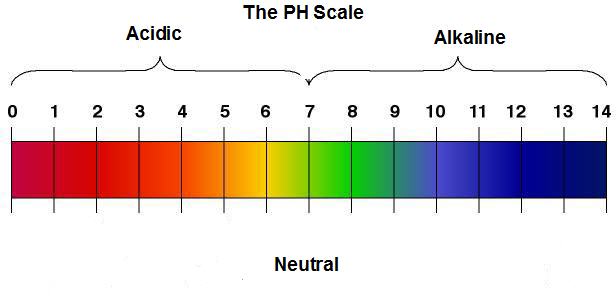
But anyway, pH is the measure of power of H+ in the mixture. It is on a scale of 1 to 14, normally, with 7 being a perfect neutral, and is pure water. pOH is the same, but has the power of OH- in the mixture. Oh, and both are inverse, so a low pH is a high Acid power, and a low pOH is a high Base power. With these powers being ten times more acidic or basic than the next: ex. a pH of 2 is 100 times more acidic than a pH of 4.
To get a visual of how the scale works, put your gaze here:

To find these magical number you take the - Logarithm base 10 to the moles of H+(or OH- depending on what your trying to find) to get the pH, and to derive the pOH from pH, or vice versa, you take 14 and subtract the one you have. Poof, you have what you were looking for.